
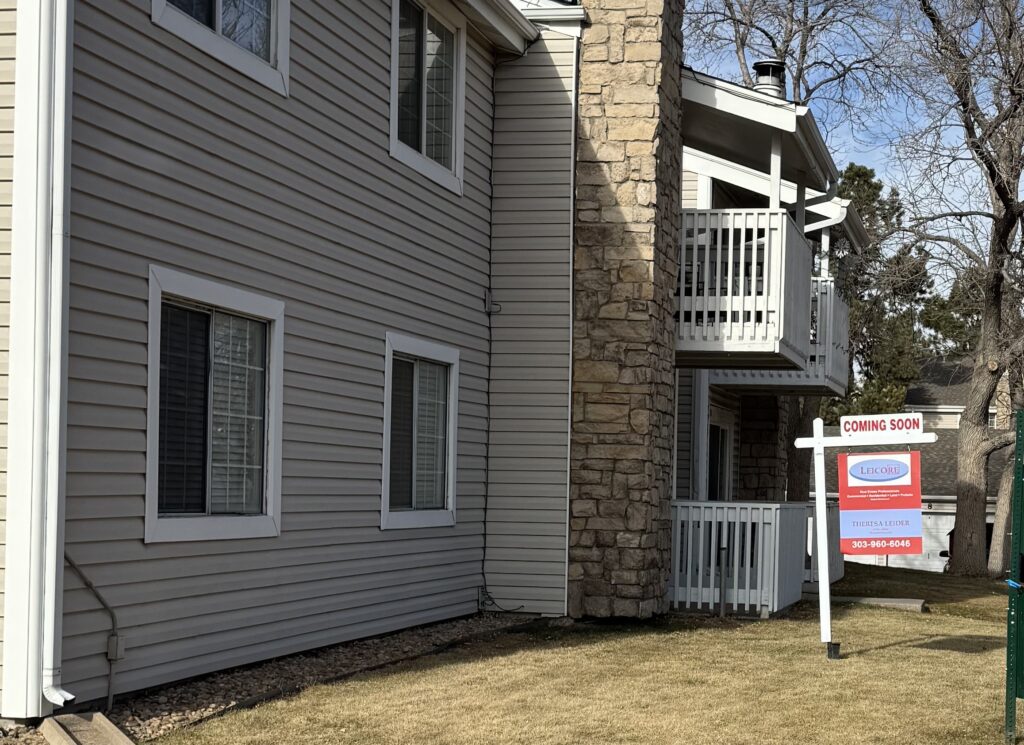
You may be thinking about selling next month, next year, or sometime after retirement. You may own a home, investment property, multifamily property, commercial property, land, or another type of real estate.
Whatever the property, a little planning can help you understand your options before you have to make decisions.
These eight questions are a place to start. We’ll be adding more detailed resources on many of these topics as we build our Resource Library. And if you would rather talk through your particular property and circumstances, we’re happy to have a conversation. There is no charge for an initial consultation.
1. What Is Your Timeframe for Selling?
Sometimes you have years to plan. You may be considering retirement, a future move, changing investments, or simply whether continuing to own a particular property makes sense.
Other times, circumstances change quickly.
The fastest completely arm’s-length transaction I’ve handled went from agreement to closing in just one day. That certainly isn’t typical, but when time is critical, a sale can sometimes be completed much faster than people expect.
Having more time can give you more choices. Having less time doesn’t mean you don’t have choices—it may simply change which ones make sense.
Knowing your timeframe can help determine what is worth doing before a sale and what may not be.
2. What Matters Most to You in the Sale?
Obviously, sellers want to get the highest price possible. But price isn’t always the only consideration.
Timing, certainty, convenience, carrying costs, coordinating another transaction, and what you plan to do with the proceeds can all affect the overall result.
There can also be an opportunity cost to waiting. Holding out for a higher sales price may not produce a better financial result if it means continuing to carry the property, delaying another investment, missing another opportunity, or keeping capital tied up longer than you want.
The highest price and the best overall result aren’t necessarily the same thing.
Understanding what matters most to you helps put the other decisions in perspective.
3. Should You Make Repairs or Improvements—or Sell As-Is?
A property doesn’t have to be perfect before it can be sold.
Before spending money on repairs or improvements, consider the potential benefit along with the cost, time involved, and what I sometimes call the hassle factor.
Managing contractors, making decisions, dealing with delays, and living through—or supervising—work all have a cost, even when that cost doesn’t appear on an invoice.
Some work may make a meaningful difference in the eventual sale. Other improvements may cost as much as, or more than, they return.
Sometimes fixing or improving the property makes sense. Sometimes adjusting the price and letting the next owner handle the work is the better choice.
We’ll explore the cost, benefit, and hassle-factor analysis of repairing versus selling as-is in a separate resource. If you need answers sooner, you’re always welcome to call us and talk through your questions.
4. What Needs to Be Done Before the Property Can Be Sold?
For a home, one of the biggest projects may have nothing to do with the real estate itself: What are you going to do with everything?
Furniture, household belongings, things stored in the basement or garage, and years of accumulated possessions can turn into a substantial project. Having time to decide what to keep, sell, give away, donate, or dispose of is very different from having to do it under a deadline.
Other properties bring different considerations. There may be tenants, equipment, records, deferred maintenance, environmental concerns, or other property-specific issues to address.
The important question isn’t whether everything can be made perfect. It’s what actually needs to be done before the property is sold—and what doesn’t.
We’ll take a much closer look at cleanup, belongings, repairs, and preparing property for sale in future resources.
5. What Will You Do After the Sale—and With the Proceeds?
This is a question I often ask sellers.
If you’re selling your home, are you buying another one? Renting? Relocating? Right-sizing? Moving closer to family?
If you’re selling an investment, commercial property, multifamily property, or land, are you liquidating the investment or planning to reinvest? Do you want to reduce debt, redeploy the capital, change investments, or use the money for something else?
What you plan to do with the proceeds may affect decisions you make before the sale.
There may also be tax, financial, or legal considerations depending on the property and your plans. Those are situations where involving your CPA, tax adviser, attorney, financial adviser, or other appropriate professional early can be valuable.
You don’t necessarily need to decide everything before exploring a sale. But knowing what you want the sale to accomplish can help you evaluate your options.
6. Is Something Changing Your Timetable?
Not every sale happens according to a long-term plan.
A job change, divorce or separation, financial or mortgage concerns, a birth, aging parents, health considerations, an inheritance, a business change, partnership issues, or other circumstances can suddenly change the timetable.
When that happens, the best approach isn’t necessarily to take the plan you would have used over six months and simply do everything faster.
You may have different options.
If financial or mortgage concerns are involved, addressing the situation sooner can be particularly important. Waiting may reduce the choices available.
7. What Information About the Property Will Be Useful?
You don’t need to create a giant property file before talking with us.
Many records are readily available. We can help obtain copies of deeds, property-tax information, and other publicly available property records, so you don’t need to spend time tracking down documents we can access.
Information that isn’t as easily found may be more useful. Depending on the property, that could include warranties, property-specific agreements, surveys, information about improvements or major repairs, leases, environmental reports, or other records that help us understand the property.
If you don’t have everything, that’s okay.
Part of the process is figuring out what information is actually important—not creating paperwork for the sake of having paperwork.
8. Who Should You Talk With Before Making Decisions?
Different questions call for different expertise.
We can help you evaluate the property, market, timing, potential selling strategies, and your options.
You are advised to consult appropriate legal and tax professionals about the legal and tax consequences of a transaction. Depending on your circumstances, you may also want input from a lender, financial adviser, property manager, business partner, or other professional.
You may not need everyone involved in every decision. The important thing is to recognize when a question requires expertise outside the real estate transaction and get advice from the appropriate source.
Start with the questions. Then involve the people whose expertise can help you answer them.
Additional Considerations for Senior Homeowners and Their Families
Senior homeowners may have some additional questions worth considering while there is plenty of time to explore the options.
Do you want to remain in your home? Would right-sizing make life easier? Could the property eventually need to be managed or sold by someone else? Do your children or heirs know what you want?
There may also be questions about how the property is owned, whether probate could be required, estate planning, a reverse mortgage, or what happens to the property after death.
Some of those questions involve legal, tax, or financial advice and should be addressed with the appropriate professional. But the real estate implications are also worth understanding.
We’ll be adding more detailed Senior Transitions resources covering these subjects and ways to make future property decisions easier for you and the people who may eventually help you.
Planning Ahead Doesn’t Mean You’ve Decided to Sell
You can explore your options without putting a property on the market.
Sometimes looking at the numbers and possibilities leads to a decision to sell. Sometimes it leads to a decision to wait. And sometimes you discover an option you hadn’t considered.
The purpose of planning ahead is not to push you toward a sale. It is to give you enough information to make a decision that makes sense for you.
My job is to provide information and help you understand your options. Your job is to decide.
If you’d like to talk through your property, timing, goals, or circumstances, Let’s Talk.
There is no charge for an initial consultation.mean you don’t have choices—it may simply change which ones make sense.
Knowing your timeframe can help determine what is worth doing before a sale and what may not be.

Theresa Leider
Certified Probate Real Estate Specialist
Theresa Leider is a real estate broker with extensive experience in residential and commercial real estate, development and investment. Her first question is usually, “What is your goal?” Her background as a CPA and CFO specializing in the real estate and construction industries, combined with experience in more than 500 real estate transactions as a broker, principal and owner, helps her look at the options from different perspectives and provide the information people need to make informed decisions.
Learn more about Theresa